How Much Does Move-Out Cleaning Cost in Seattle?
What drives the price of a Seattle move-out cleaning quote: unit size, condition, appliances, access and parking, timing, and how to compare quotes fairly.
The short answer
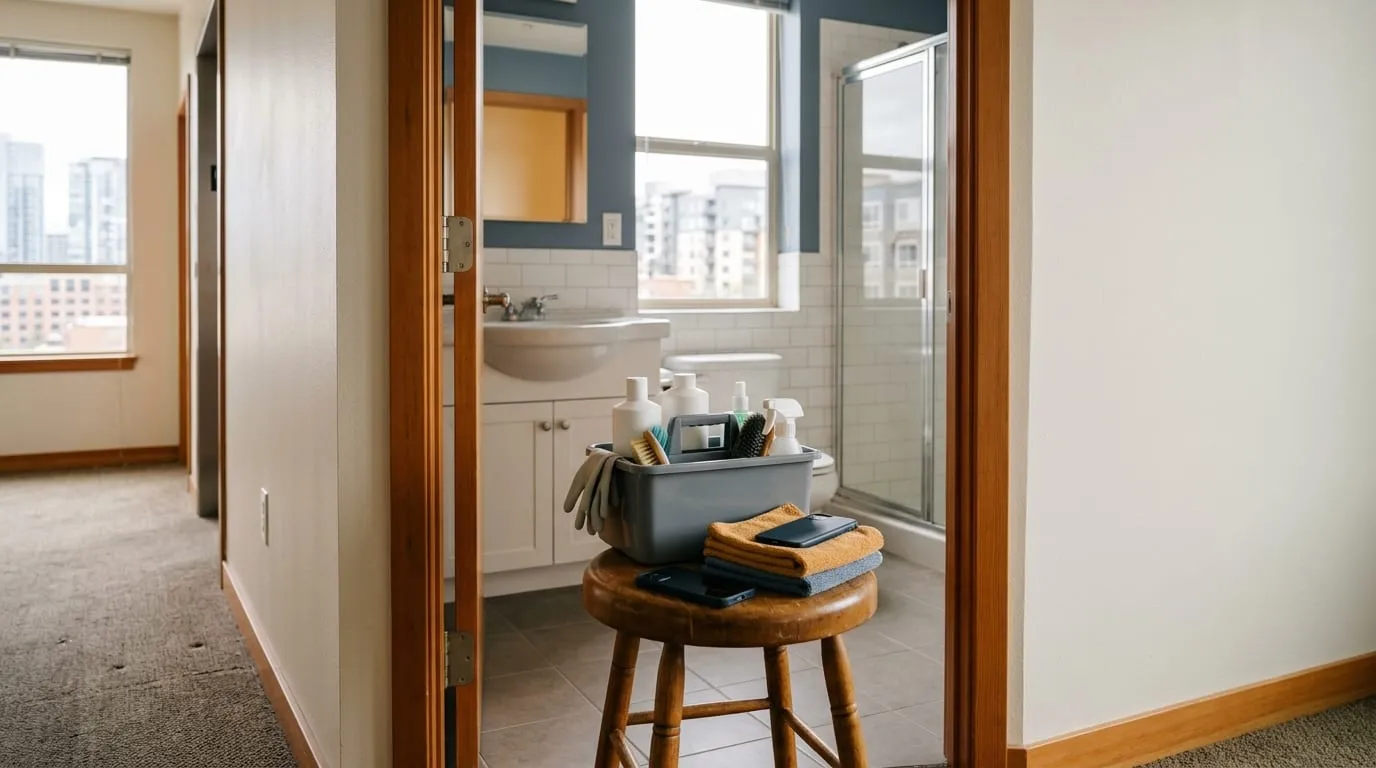
There is no single Seattle price for a move-out clean, because each quote is built from the unit's size, how much buildup is in the oven, refrigerator, and bathrooms, whether the unit is empty, add-ons such as carpets, and access factors like stairs, elevators, parking, and short notice. The most reliable way to learn your cost is to send two or three companies the same photos and details and compare their written scopes, not just their totals.
- Size sets the base, but condition moves the price most: a heavily used oven or mildewed bathroom can add more time than an extra bedroom.
- An empty unit is cheaper and faster to clean than one with boxes and furniture still in it.
- Seattle access matters: walk-ups, reserved elevators, and scarce parking add time that some companies build into a quote.
- Compare quotes on scope, exclusions, re-clean terms, and whether the price is flat or hourly, using the same photos for each company.
- Weigh the cost against the realistic risk of a cleaning charge, but no clean can guarantee a deposit outcome.
This guide is for Seattle renters and homeowners pricing out a professional move-out clean. It explains what a cleaning company looks at when it builds a quote, how to get an accurate number the first time, and how to compare quotes that look different on paper. It does not list dollar figures, because we have not yet collected verified local price data, and a made-up range would mislead you more than it would help. What it gives you instead is a way to get a reliable number for your own unit within a day or two.
If you are still deciding whether to hire anyone at all, start with DIY vs. professional move-out cleaning. For ongoing or recurring house cleaning costs, the Seattle Cleaning Guide covers that in Seattle house cleaning costs.
Why there is no one Seattle price
A move-out clean is quoted on labor time, and labor time depends almost entirely on the specific unit. Two one-bedroom apartments in the same building can take very different amounts of time if one tenant cleaned the oven regularly and the other never did. Companies also price differently: some quote flat totals, some charge by the hour, and some combine a base price with add-ons. So the honest answer to “how much” is a method, not a number.
The price drivers, one by one
Size and layout
Bedrooms and bathrooms set the baseline, with bathrooms usually counting for more than bedrooms because they take more detailed work. Square footage matters too, especially for floors and baseboards. A townhouse with several flights of stairs takes longer than a flat of the same size, since every staircase has treads, risers, and railings to clean.
Empty or not
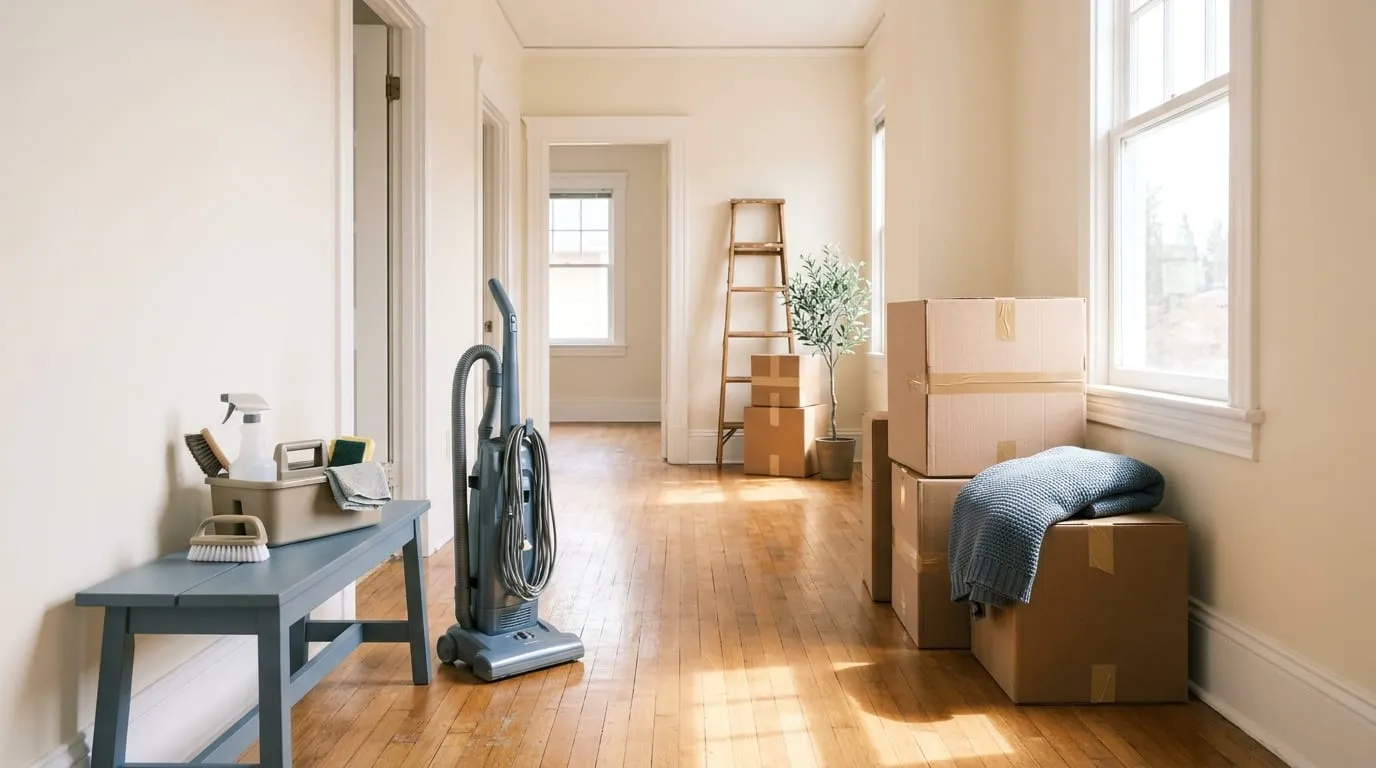
Most companies quote a move-out clean on the assumption that the unit is empty. If boxes, furniture, or leftover belongings are still in place, the crew has to clean around them or wait, and the parts landlords look at, such as floors along walls and inside closets, get missed. Removing belongings is typically excluded entirely. If you can, schedule the clean after the movers are completely done.
Appliances
Inside-appliance work is where move-out quotes diverge the most. Ask specifically about:
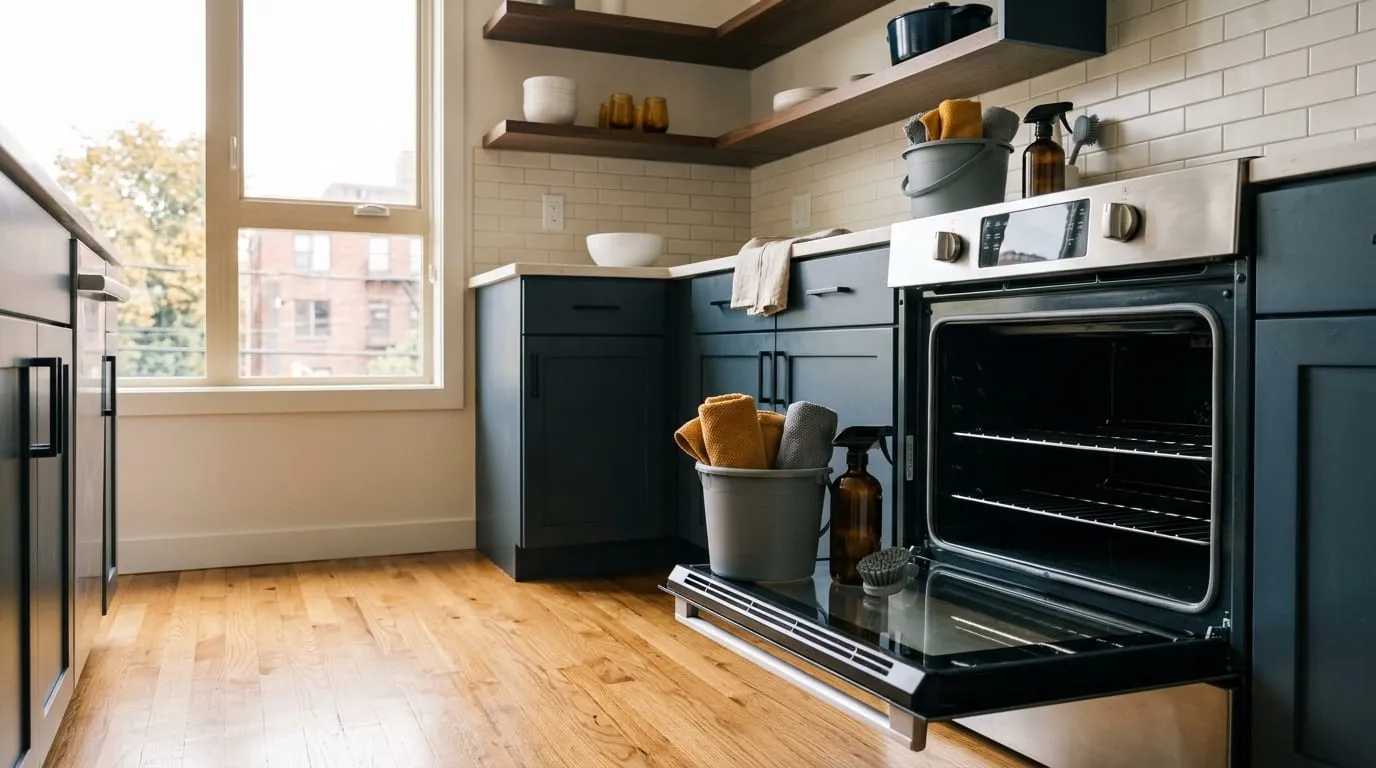
- Inside the oven, including racks and door glass. Some companies include it; others price it separately.
- Inside the refrigerator and freezer, including drawers and shelves.
- Range hood filter, microwave, and dishwasher filter.
- In-unit washer and dryer, including the washer gasket and lint area.
Each one you add increases time, and heavy buildup inside an oven can take longer than the rest of the kitchen combined.
Condition and buildup
Condition is the hardest driver to judge from a description and the one most likely to change a quote on arrival. Expect a higher price for baked-on oven carbon, grease film on cabinets near the stove, mildew in grout and caulk, heavy pet hair, nicotine residue, and window tracks packed with grit. Seattle’s damp winters make mildew on bathroom ceilings and around windows a common add-on, especially in older buildings with weak exhaust fans. Be candid about these when you ask for a quote; underselling them is the most common cause of a quote that changes on the day.
Carpets and other add-ons
Carpet shampooing or extraction is usually a separate service from a separate company. Interior windows are typically included in some form, while exterior windows, wall washing, blinds slat by slat, and garage or balcony work are often extras. Patching and painting are repair work and usually not part of any cleaning quote.
Before paying for a carpet extraction, check whether you need one. RCW 59.18.280 says no portion of a deposit may be withheld for carpet cleaning unless the landlord documents wear to the carpet beyond wear resulting from ordinary use. Your lease may still set expectations, so read it; the point is to spend on carpets because your situation calls for it, not by default.
Seattle access: parking, elevators, and stairs
Getting a crew and its equipment into the unit costs time, and in Seattle that time can be significant:
- Parking. In neighborhoods with metered or scarce street parking, the crew may circle or park blocks away. The City’s temporary no parking zone process is built around moving vans and trucks, so tell the cleaner where they can realistically park.
- Elevators. Buildings that require elevator reservations for moves may also restrict service vendors. Ask your building manager and pass the rules on.
- Walk-ups and hills. Older walk-up buildings and steep lots mean carrying vacuums and supplies up stairs.
- Building access. Key fobs, lockboxes, and front desks all need arranging if you will not be there.
Some companies fold these into the quote; others mention them only when asked. Ask.
Timing and short notice
Leases cluster at the end of the month, so the last few days and the first weekend of a month book up first. Same-day or next-day requests may carry a surcharge, or simply be impossible. Weekday slots mid-month tend to be the easiest to get. If you know your move-out date, request quotes when you give notice.
How to get an accurate quote with photos
A quote built from “two bedrooms, kind of dirty” is a guess. A quote built from clear photos and a complete description is close to the final price. Send each company the same package:
- Basic facts: address or neighborhood, square footage if known, bedrooms, bathrooms, and number of floors.
- Empty or not: the date the unit will be fully empty.
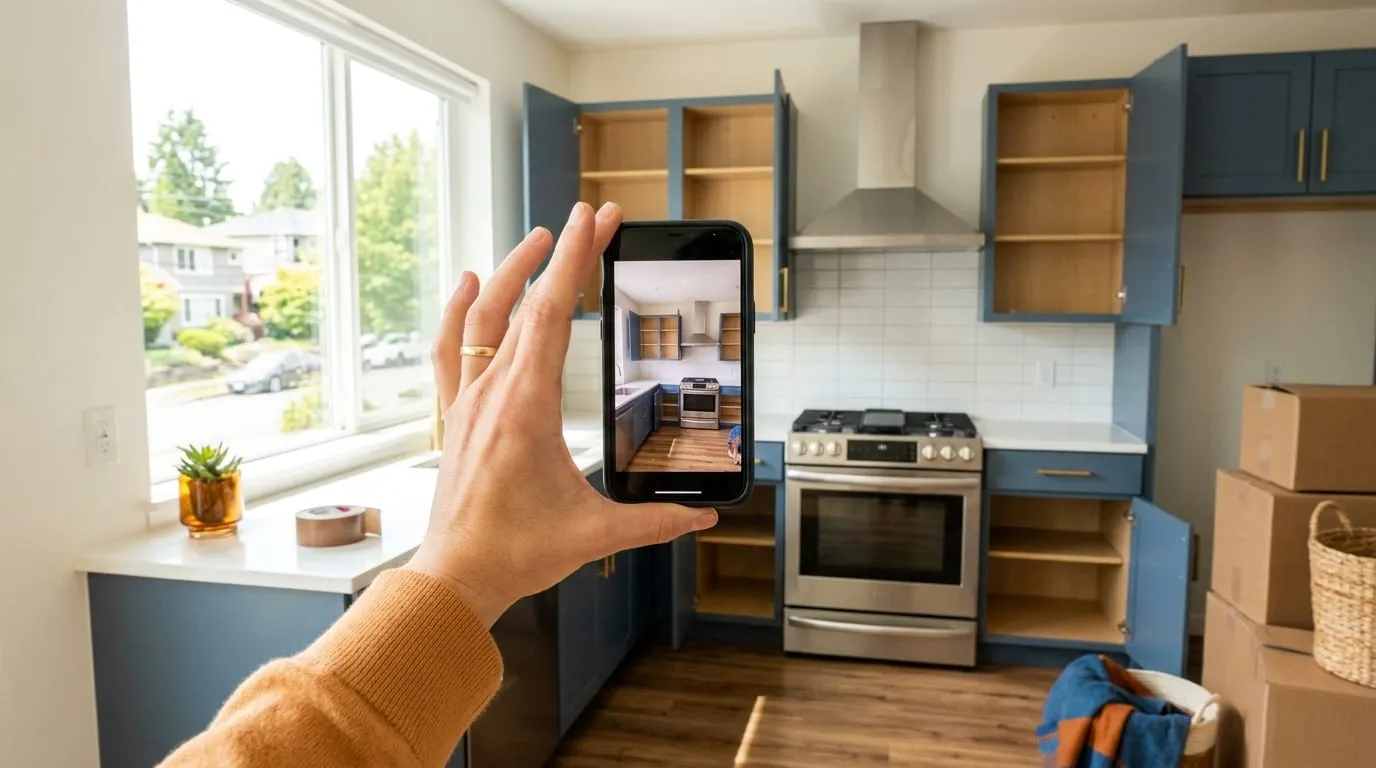
- Photos: inside the oven with the door open, inside the refrigerator and freezer, the stovetop, the range hood underside, each tub or shower including grout, each toilet base, the worst floor area, and window tracks. Take them in good light without flash glare.
- Add-ons wanted: carpets, interior windows, blinds, balcony, laundry appliances.
- Access notes: stairs, elevator reservation rules, parking options, and how the crew gets in.
- Deadline: your key return or inspection date and time.
- Landlord’s checklist: if your property manager gave you a move-out cleaning list, attach it.
Ask each company to reply with a written scope, the price structure (flat or hourly), exclusions, and the re-clean terms.
Comparing quotes side by side
Quotes that look far apart often differ in scope, not value. Put them in a table like this before choosing.
| What to compare | Quote A | Quote B | Quote C |
|---|---|---|---|
| Price type (flat total or hourly, with estimated hours) | |||
| Inside oven included? | |||
| Inside refrigerator and freezer included? | |||
| Cabinet and drawer interiors included? | |||
| Interior windows, sills, and tracks included? | |||
| Baseboards and doors included? | |||
| Carpet cleaning included, extra, or not offered? | |||
| Stated exclusions | |||
| Charges for stairs, parking, or rush timing | |||
| What happens if condition differs from photos | |||
| Re-clean window and how to report | |||
| Supplies and equipment brought by crew? | |||
| Insurance and background checks stated? | |||
| Reply time and how the quote was delivered |
Then ask: once I add the extras I need to Quote A, is it still the cheapest? Often the lowest headline price is a narrower scope.
Flat quotes versus hourly
A flat quote moves the risk of a slow job to the company, as long as your photos were accurate. An hourly rate moves that risk to you. For a unit with heavy buildup, a flat quote built on good photos usually makes budgeting easier. As an example of the flat model, Sweepless in Seattle, which publishes this guide, gives flat, upfront quotes and replies within one business day. Whichever company you consider, make sure the quote states what would change the price.
Weighing the cost against a cleaning charge
It is natural to compare the price of a professional clean with the deposit. Do that carefully, and with realistic expectations.
Know what a landlord can charge for. Washington asks tenants to restore the unit to its initial condition except for wear resulting from ordinary use, under RCW 59.18.130(10). The baseline is the move-in checklist that RCW 59.18.260 requires. If the landlord withholds money, RCW 59.18.280 requires a full and specific written statement within 30 days, with copies of estimates received or invoices paid to substantiate damage charges.
Check for a cleaning fee. If you paid a nonrefundable cleaning fee at move-in, RCW 59.18.130(10) says you shall not be charged for normal cleaning, and the City of Seattle’s move-in costs page says a landlord cannot charge for cleaning at the end if they charged for it at the start. In that case, paying for a full professional clean may be unnecessary.
Think in risk, not refunds. A professional clean does not guarantee any part of a deposit comes back. Deductions can also come from damage, unpaid rent, or anything beyond ordinary wear. What a clean can do is reduce the chance that cleanliness becomes a reasonable dispute, and give you an invoice and photos if it does. For a fuller picture, read Washington security deposit rules and what landlords can and cannot deduct.
A worked example with labeled variables
Since we are not publishing local prices, here is the comparison with placeholders you fill in from your own quotes.
- Q is the lowest written quote that covers everything on your landlord’s list.
- H is the hours you would spend doing it yourself, and V is what an hour of your moving-week time is worth to you, in lost work, childcare, or stress.
- S is the cost of supplies you would need to buy.
- R is your honest estimate of the cleaning charge you would face if you did a rushed job, informed by your move-in checklist and the unit’s condition.
If Q is less than H times V plus S, hiring is the better use of money and time on its own terms. If it is close, consider R: a unit that was recorded as spotless at move-in and now has years of oven buildup carries more cleaning-charge risk than one recorded in average condition. Treat R as a judgment, not a promise.
An illustrative scenario
Consider a hypothetical renter leaving a two-bedroom, one-and-a-half-bath apartment on the fourth floor of a Fremont building with one reserved freight elevator and only metered street parking. The lease ends on the 31st, and the renter asks for quotes on the 5th.
The renter sends three companies the same package: the floor plan, 14 photos including the oven interior and both bathrooms, a note that the unit will be empty by noon on the 30th, the elevator reservation rules, and the property manager’s move-out list, which includes cabinet interiors and blinds. No carpet cleaning is requested, because the carpet shows only an ordinary traffic path that matches the move-in checklist.
Quote A is the lowest total but excludes the oven and refrigerator interiors and does not mention parking. Quote B is higher, includes both appliances and cabinet interiors, and states a parking surcharge for metered areas. Quote C is hourly with an estimated range. When the renter fills in the comparison table and adds the appliance work to Quote A, Quotes A and B land close together, and B has a written re-clean window that covers the inspection date. The renter books B for the afternoon of the 30th and schedules the walkthrough for the morning of the 31st.
The outcome of the deposit is not decided by any of this. What changed is that the renter knows exactly what is being cleaned, for what price, with what follow-up.
Ways to keep the cost down without cutting corners
- Book early and midweek if your dates allow.
- Have the unit completely empty, including closets, cabinets, and the balcony.
- Do the easy parts yourself, such as wiping closets, removing shelf liner, and taking out trash, and hire for the oven, refrigerator, and bathrooms.
- Skip add-ons you do not need, especially carpet extraction where the carpet shows only ordinary wear.
- Share accurate photos so the quote does not change on arrival.
- Arrange parking and access in advance so crew time goes into cleaning.
If you would like a flat quote for comparison, you can request one from Sweepless in Seattle at sweeplessinseattle.com/quote. The Seattle move-out checklist and 30-day moving timeline show where booking the clean fits in the rest of your move.
Common questions
Is a flat quote or an hourly rate better for a move-out clean?
A flat quote is easier to budget, because you know the total before the crew arrives, but it is only as accurate as the information you gave. An hourly rate can work out lower for a light job and higher for a heavy one, and it shifts the risk of a slow job onto you. Whichever you choose, ask what happens if the unit turns out dirtier or fuller than described.
Why did two companies quote very different prices for the same apartment?
Usually because they assumed different scopes. One may include the inside of the oven, refrigerator, and cabinets while the other treats them as add-ons, or one may have priced in stairs and parking time. Line the quotes up task by task before deciding which is actually cheaper.
Does it cost more to book a move-out clean at the end of the month?
It can, and more often it simply costs you choice. Lease ends cluster at month end, so popular dates fill early, and some companies charge more for same-day or next-day bookings. Booking when you give notice gives you the most options.
Can I deduct the cost of a professional clean from my last month's rent?
No. Your rent is owed under the lease regardless of what you spend getting the unit ready, and short-paying it creates a separate problem on top of any deposit question. Pay for the clean separately, keep the invoice, and let the deposit process run its course.
Sources and references
- RCW 59.18.280 Moneys paid as deposit or security, statement of basis for retention, remedies , Washington State Legislature Primary source Accessed November 15, 2026
- RCW 59.18.130 Duties of tenant , Washington State Legislature Primary source Accessed November 15, 2026
- RCW 59.18.260 Moneys paid as deposit or security for performance by tenant, written rental agreement required, checklist , Washington State Legislature Primary source Accessed November 15, 2026
- Move in Costs , City of Seattle, Renting in Seattle Primary source Accessed November 15, 2026
- Temporary No Parking Permits , Seattle Department of Transportation Primary source Accessed November 15, 2026
- Deposits and damages , WashingtonLawHelp.org (Northwest Justice Project) Accessed November 15, 2026
See something out of date or wrong? Tell the editors. Read how we work in our editorial policy.